
Negotiating the sale or purchase of a mobile home park is a complex process that requires a strategic approach and a deep understanding of the market. Whether you’re a seller looking to maximize your return or a buyer aiming to secure a favorable deal, mastering the art of negotiation is crucial. In this comprehensive guide, we’ll explore key strategies for getting the best deal on your mobile home park, including preparation, understanding market dynamics, effective communication, and tactical negotiation techniques.
Understanding the Importance of Preparation
Preparation is the foundation of successful negotiation. The more informed you are about your property and the market, the better positioned you’ll be to negotiate effectively.
1. Conduct a Thorough Market Analysis
Understanding the current market conditions is essential. Analyze recent sales of comparable mobile home parks to gauge market trends and pricing.
- Comparative Market Analysis (CMA): Compare your mobile home park with similar properties in terms of size, location, and amenities.
- Market Trends: Stay informed about market trends, such as rising or falling property values, and economic factors that may impact the market.
2. Evaluate Your Property’s Value
Accurately valuing your mobile home park will help you set realistic expectations and negotiate from a position of strength.
- Professional Appraisal: Hire a professional appraiser experienced in mobile home parks to provide an unbiased valuation.
- Income and Expenses: Analyze your park’s income and expenses to determine its profitability and cash flow, which are key factors in valuation.
3. Identify Your Goals and Limits
Knowing your goals and limits helps you stay focused during negotiations.
- Minimum Acceptable Price: Determine the lowest price you’re willing to accept if you’re selling or the highest price you’re willing to pay if you’re buying.
- Ideal Terms: Identify your ideal terms for the deal, including financing, closing date, and contingencies.
Building a Strong Negotiation Strategy
A well-defined strategy guides your negotiation efforts and helps you achieve the best possible outcome.
1. Know Your Negotiation Style
Understanding your negotiation style and that of the other party can influence the outcome. Common styles include:
- Competitive: Focuses on winning and achieving the best possible outcome for oneself.
- Collaborative: Seeks mutually beneficial solutions and values relationships.
- Compromising: Finds a middle ground where both parties give and take.
- Avoiding: Delays or avoids confrontation, which can be useful in certain situations.
- Accommodating: Prioritizes the other party’s needs, which can build goodwill but may not always be practical.
2. Develop a BATNA (Best Alternative to a Negotiated Agreement)
Having a strong BATNA provides leverage and confidence during negotiations.
- Identify Alternatives: Determine the best alternatives available if the negotiation doesn’t succeed.
- Assess BATNA: Evaluate the feasibility and attractiveness of each alternative.
3. Prepare for Objections
Anticipate potential objections and prepare responses in advance.
- Common Objections: Price, financing terms, property condition, and market conditions.
- Rebuttals: Provide data and evidence to counter objections, such as market analysis reports, financial statements, and inspection reports.
Effective Communication Techniques
Clear and effective communication is vital in negotiation to convey your position and understand the other party’s perspective.
1. Active Listening
Active listening involves fully concentrating, understanding, and responding thoughtfully.
- Show Interest: Demonstrate genuine interest in the other party’s concerns and viewpoints.
- Ask Questions: Use open-ended questions to gather more information and clarify misunderstandings.
2. Nonverbal Communication
Nonverbal cues, such as body language and tone of voice, play a significant role in negotiation.
- Maintain Eye Contact: Shows confidence and sincerity.
- Use Positive Body Language: Nod, smile, and use open gestures to create a positive atmosphere.
3. Assertive Communication
Assertive communication is about expressing your needs and opinions clearly and respectfully.
- Use “I” Statements: Focus on your own experiences and needs rather than blaming or criticizing the other party.
- Be Direct: Clearly state your position and expectations.
Tactical Negotiation Techniques
Implementing tactical techniques can enhance your negotiation effectiveness and help you achieve your goals.
1. Anchor Your Offer
Anchoring involves setting the initial offer to influence the negotiation process.
- High or Low Anchor: Depending on whether you’re selling or buying, start with a high or low initial offer to set the tone.
- Justify Your Anchor: Provide strong justifications and evidence for your initial offer.
2. Use the Power of Silence
Silence can be a powerful tool in negotiation.
- Pause After Offers: After making an offer or counteroffer, pause to let the other party process and respond.
- Handle Silence: Use silence to your advantage by creating pressure and prompting the other party to speak.
3. Make Concessions Strategically
Concessions are often necessary, but they should be made strategically.
- Trade, Don’t Give: Always trade concessions rather than giving them away for free.
- Keep Track: Keep a record of concessions made to ensure a balanced negotiation.
4. Leverage Time
Time can be an ally in negotiations.
- Deadlines: Use deadlines to create urgency and encourage decision-making.
- Patience: Be patient and avoid rushing the process, as hasty decisions can lead to unfavorable outcomes.
Navigating Common Negotiation Challenges
Negotiations can present various challenges that require adept handling.
1. Dealing with Difficult Negotiators
Handling difficult negotiators requires tact and resilience.
- Stay Calm: Maintain composure and avoid getting emotional.
- Focus on Interests: Shift the focus from positions to underlying interests to find common ground.
2. Overcoming Impasses
Impasse situations can stall negotiations.
- Reframe Issues: Reframe issues to find new perspectives and solutions.
- Seek Mediation: Consider involving a neutral third party to facilitate resolution.
3. Handling Lowball Offers
Lowball offers can be frustrating, but they can also be opportunities.
- Counter with Data: Respond with market data and evidence to justify your price.
- Negotiate Up: Use the low offer as a starting point to negotiate upward.
Closing the Deal
Closing the deal involves finalizing the agreement and ensuring all terms are met.
1. Review Terms Thoroughly
Carefully review all terms and conditions before finalizing the deal.
- Legal Review: Have your attorney review the agreement to ensure legal compliance and protect your interests.
- Clarify Details: Ensure all details, including financing, contingencies, and closing dates, are clearly outlined.
2. Draft a Clear Contract
A clear and detailed contract is essential to avoid misunderstandings and disputes.
- Include All Terms: Ensure the contract includes all agreed-upon terms and conditions.
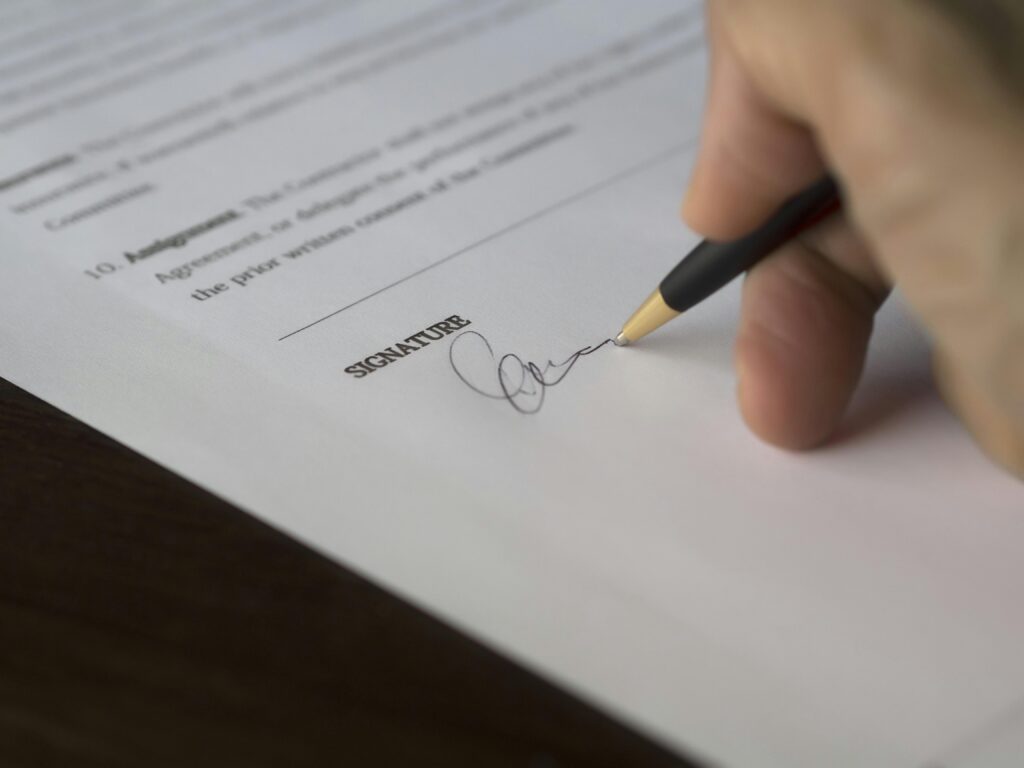
- Sign and Execute: Both parties should sign the contract, and it should be legally executed.
3. Follow Up
Follow up on all post-negotiation steps to ensure a smooth transition.
- Fulfill Obligations: Ensure all obligations, such as repairs or financial arrangements, are fulfilled.
- Maintain Communication: Keep open lines of communication to address any post-sale issues or concerns.
Conclusion
Mastering the art of negotiation is essential for getting the best deal on your mobile home park. By preparing thoroughly, understanding market dynamics, communicating effectively, and employing tactical negotiation techniques, you can navigate the complexities of the negotiation process and achieve favorable outcomes. Whether you’re buying or selling, these strategies will help you negotiate confidently and secure the best possible deal for your mobile home park.
Looking to sell your mobile home park? Contact us today!